Portal vein thrombosis ( PVT ) is the narrowing or closure of portal vein by a thrombus or blood clot . Portal vein is the rakehell vessel that carries blood from intestines to liver and a thrombus cuts this rake supplying . The most common cause of PVT is cirrhosis . Other causes admit hepatocelllular carcinoma , cholangiocarcinoma , stomachal carcinoma , pancreatic ductal carcinoma , acute pancreatitis , chronic constrictive pericarditis , chronicheart failure , Budd - Chiari syndrome , polycythemia vera , appendicitis , abdominal surgery , ascending cholangitis , navel ( navel ) infection in newborn , inflammatory bowel disease , myeloproliferative disorder , oral prophylactic contraceptive pill , maternity and/or trauma .
In most case , PVT is symptomless , but when symptoms are present , they include fever , upperabdominal painandabdominal swelling , ascites , splenomegalywith the development of portal high blood pressure and symptom admit esophageal varices and gastric bleeding , febricity and chills , vomiting of stock , pain in the liver ( in the right upper quadrant),jaundiceand lollygag , flaming and marked-up smelling stools .
Diagnosis
The diagnosis of portal vein thrombosis is done with the help of medical history and a combining of signs and symptoms of magnified lien , hematemesis , variceal haemorrhage and liver infections . Liver function test are done to check the functionality of liver , but in PVT they are generally normal . Imaging include ultrasound , CT scan , MRI , and angiography is done for the unequivocal diagnosis of portal vein thrombosis . In most pillowcase , the PVT is diagnose accidentally on mental imagery .
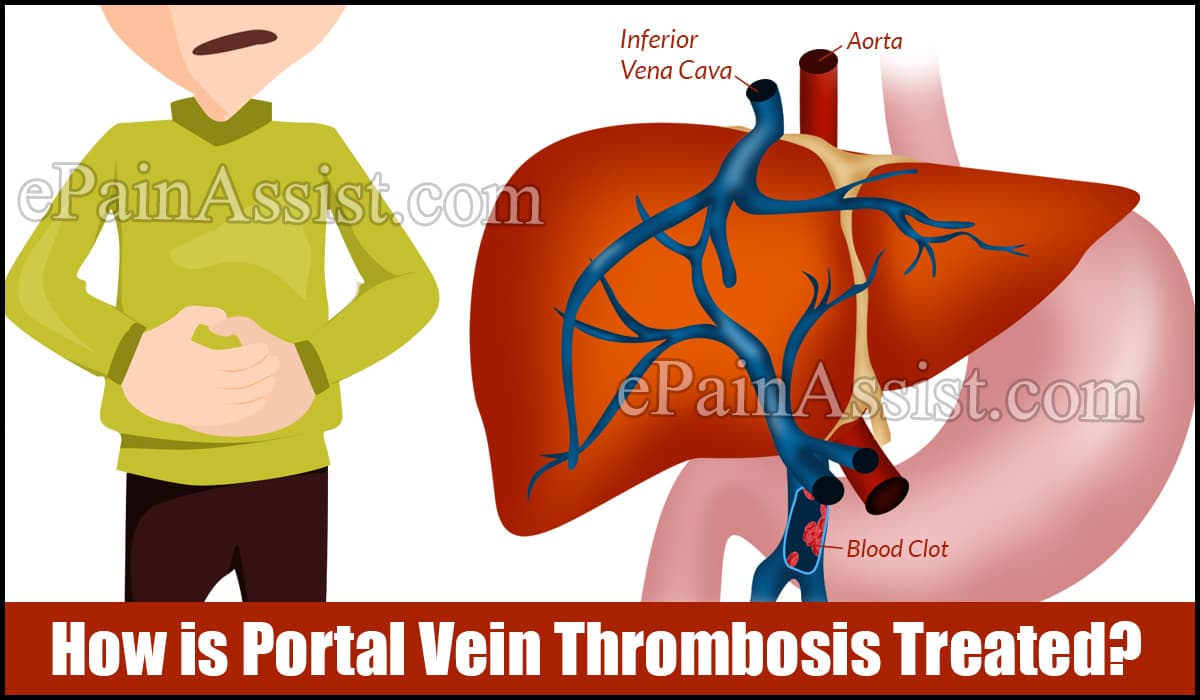
How is Portal Vein Thrombosis Treated?
The primary goal of portal vein thrombosis or PVT treatment consists of resolving the symptoms , bar of thrombus increase and bar and treatment of mesenteric ischemia . The discourse for portal vena thrombosis ranges from notice with no active therapy to conservative therapy with anticoagulants and/or thrombolytic therapy to operative intervention in the contour of thrombectomy and placement of transjugular intrahepatic portosystemic electrical shunt ( TIPS ) . The treatment and result of discriminating portal vein thrombosis depends on factor such as involvement of remaining splanchnic circulation , liver cirrhosis of the liver and/or presence of tumour .
loosely , a multidisciplinary glide slope with the involvement of vascular medication ( thrombosis medical specialist ) , gastroenterologist , interventional radiologist and colorectal surgeon is needed for optimal treatment guidance and options . Management of portal vein thrombosis is a complicated decisiveness qualification since it ask condition of various factor including involvement of other splanchnic veins , hypercoagulable states , front or absence of infection , inflammatory disorders , bleeding peril due to presence of varix or diminish blood platelet count , cirrhosis and/or fighting malignance .
Acute portal vein thrombosis with no cirrhosis of the liver or malignity , but symptomatic , is regale with anticoagulation therapy such as warfarin or low molecular weight heparin . For asymptomatic PVT involving mesenteric veins , hypercoagulable states , non - reversible risk factor and increment in thrombus encumbrance anticoagulation therapy is view . However , with reversible risk component ( pancreatitis and abdominal infections ) , the patient is monitored conservatively without any anticoagulation therapy . Thrombolytic therapy and/or thrombectomy can also be consider where there is a peril of thrombus extension and exasperate pain while on anticoagulation therapy .
patient with liver cirrhosis have a higher risk of developing portal vein thrombosis and most of the times these patient are asymptomatic and are accidentally diagnosed . PVT also worsens liver mathematical function and increases the mortality and morbidness of patients with cirrhosis of the liver ; it also negatively affects liver organ transplant . The treatment of cirrhotic patient with PVT requires thoughtfulness of various factor such as thrombosis acuteness , bleeding risk factors , front of any inherit coagulopathy , candidature for graft and/or any other co - morbidities . Keeping all these factor in mind , anticoagulation therapy with small molecular weight heparin is started . crown ( transjugular intrahepatic portosystemic bypass ) operation is consider as a utilitarian adjunct in patients with occlusive PVT and aggravate portal hypertension and esophageal varices ; however , the professional and cons are soundly studied and when the pros preponderate con , then the operation is proceeded with .
In cases of acute portal vein thrombosis along with malignity , the patient role is preferably treated with low-toned molecular weight heparin except for event of active bleeding , severe haemorrhage jeopardy and/or minimal thrombus burden .
The affected role with penetrative variceal bleeding are handle with variceal banding or sclerotherapy . The bleeding can also be controlled with octreotide medicine too . Liver organ transplant can also be see in cause of cirrhosis of the liver .
Also Read :
