What Are Modic Changes?
Modic Changes are the name give to pathological changes that are present in the bones of the spine and vertebrae . Modic changes of vertebrae and disc were first analyse and described by Dr. Michael Modic in 1988 . The changes were later on modified in three types depending on progression of the disease . These changes can be see only on MRI scans and can pass in the vertebra as well as endplate of the neighbor discs . Modic Changes is a disease cognitive operation , which is associated with spinal inflammations that have not been extremely effective to normal treatments . Modic Changes are also consort with short healing and repeated phonograph recording hernia . There are usually three type of Modic alteration namely Type I , Type II , and Type III . In type I Modic changes , there is a rapid , unstable and destructive form of spinal degeneration more often than not due to bacterial infections .
Significance of Modic Changes on Back Pain
Modic changes are one of the go cause of low back pain afterspinal stenosisor disc herniation . Studies suggest that there is a strong relationship between Modic change and back pain , specially Modic change character I. Studies also intimate that multitude with Modic change are suffering with specific symptom than individuals who have back infliction due to other status . Citing an illustration , more than 80 % of people with Modic change have unremitting and relentless back pain meaning there is not even a single pain sensation free minute whether it is day or nighttime . In some cases the pain may be so severe that it may interfere with the sleep of the individual to an extent that the individual may not even move in bed .
How Are Modic Changes Diagnosed?
Modic changes can only be diagnose on MRI scans . If a patient role has unrelenting back pain in the ass , which is present 24 hours a sidereal day and is making it difficult for the patient to slumber or perform activities of daily living then the physician more often than not orders an MRI CAT scan which can distinctly show Modic changes .
Types of Modic Changes
As stated , there are three type of Modic change , Type - I , Type - II , and Type - III
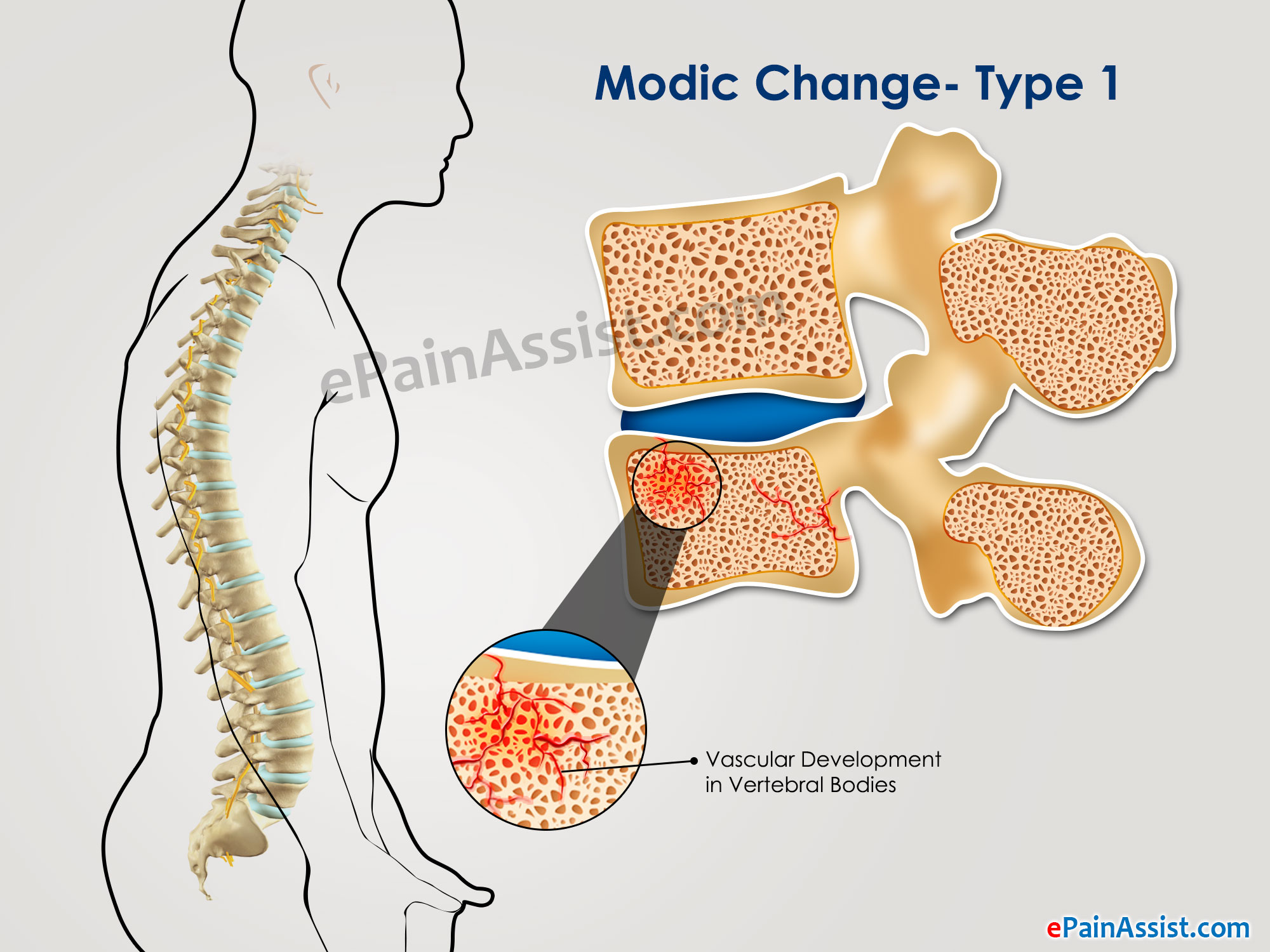
Modic Type-1 : In this type , there is vascular ( capillary blood vessels ) growth in vertebral body along with presence of excitation as well as edema , but there is no off-white marrow changes observed on MRI scan .
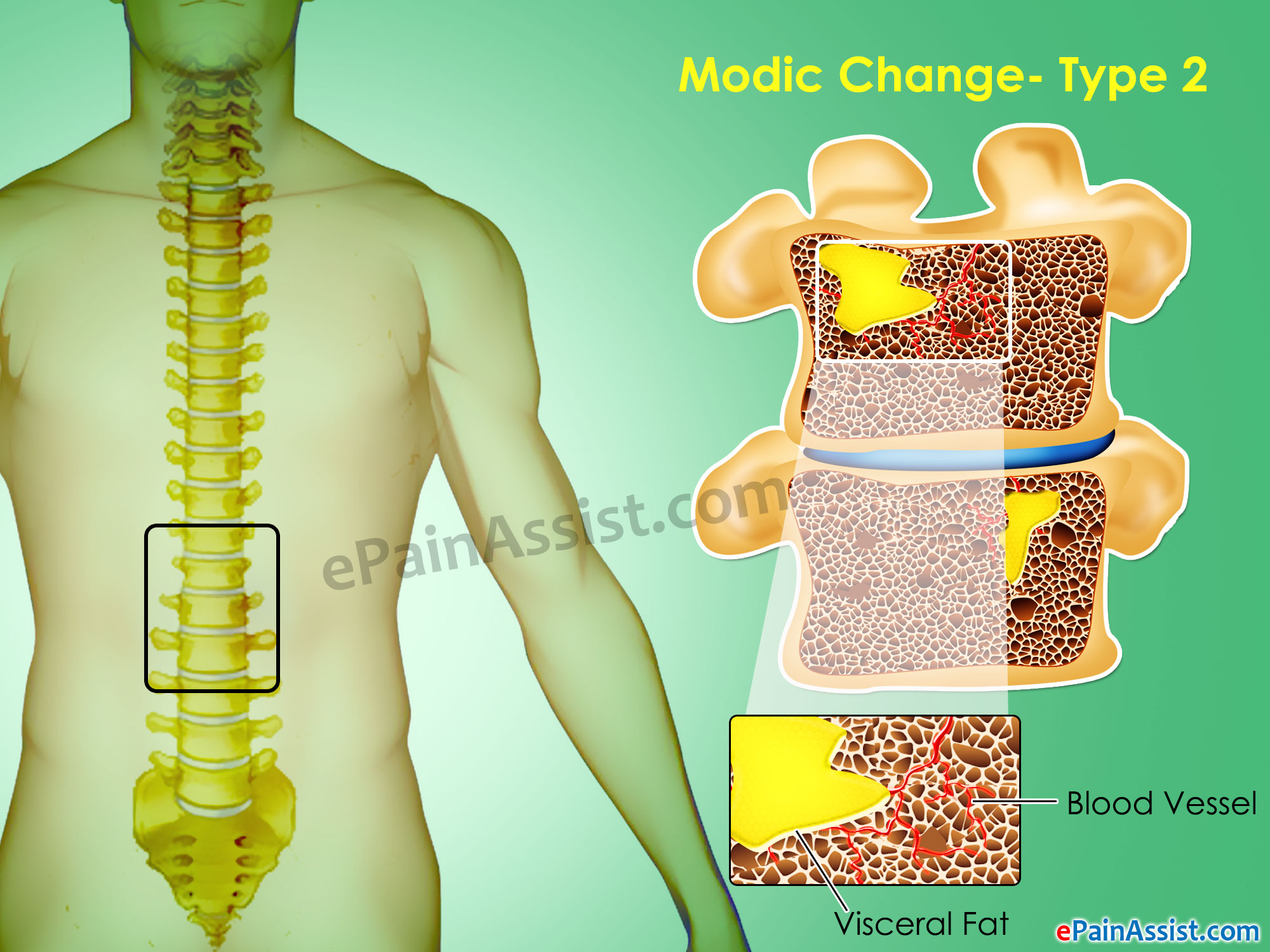
Modic Type-2 : In this character , there are extra changes in ivory centre observed with fatty replacement instead of the normal appearance of the marrow . In Modic case 2 changes , the bone marrow is replace by intuitive fat .
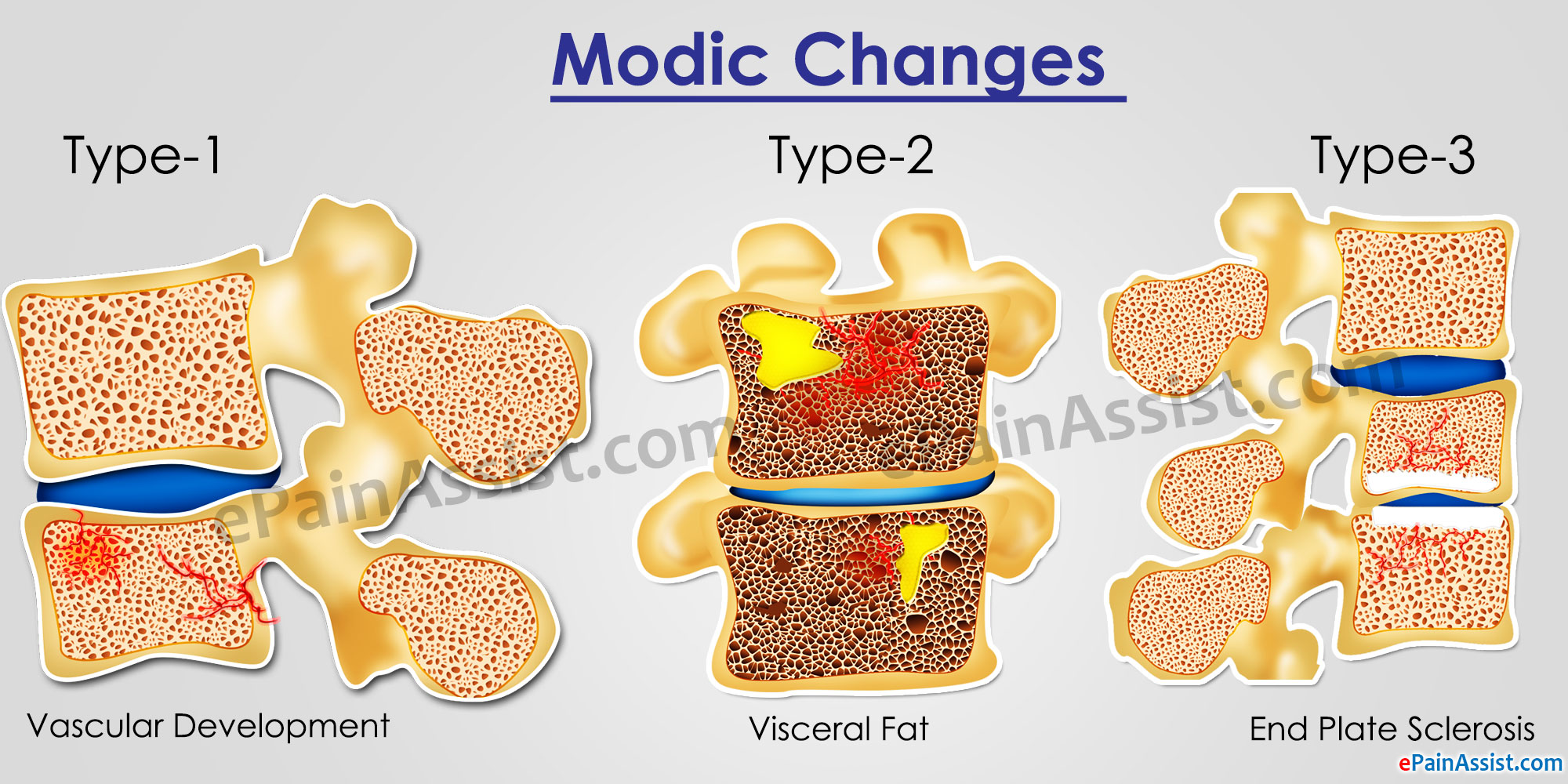
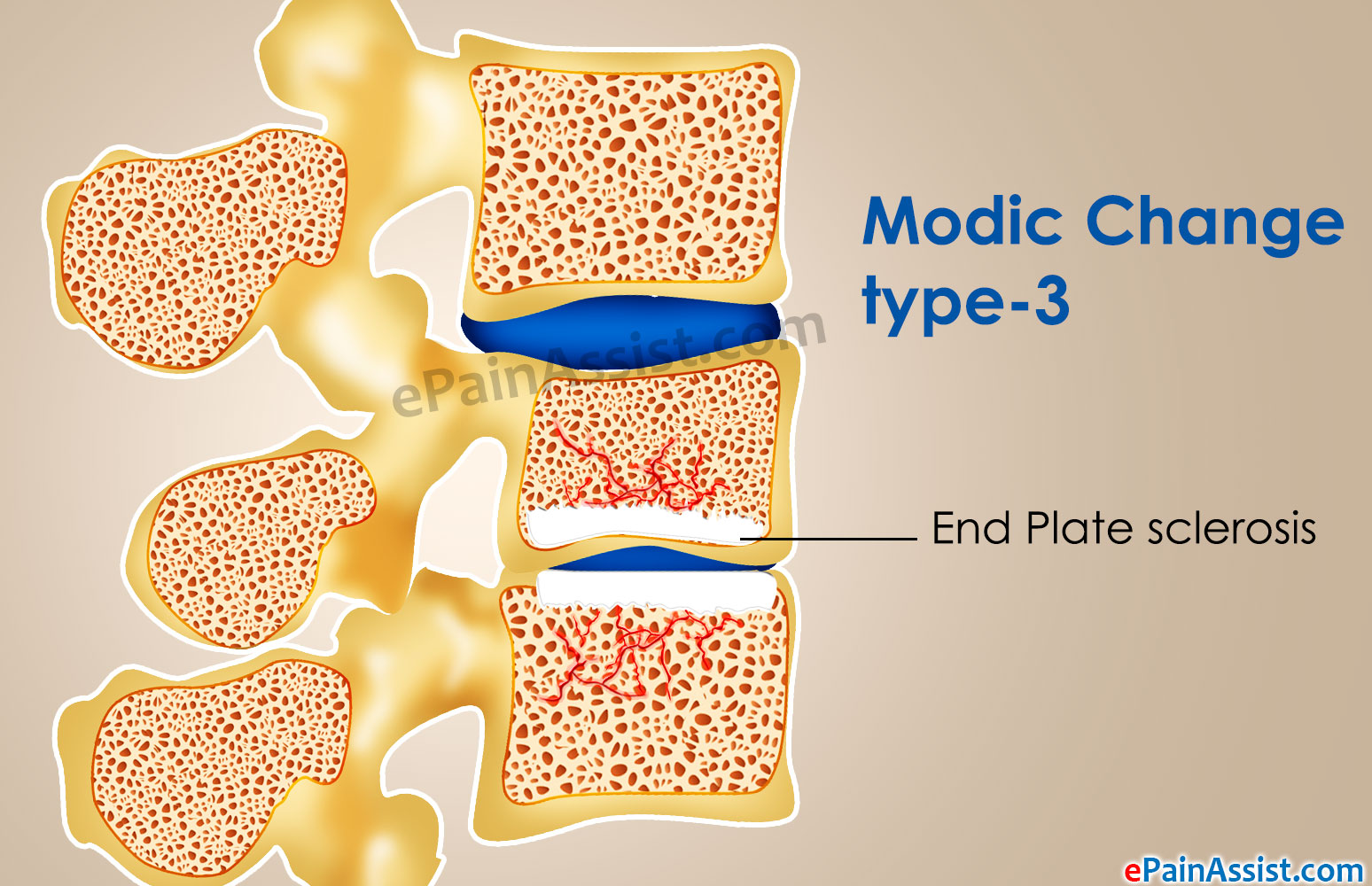
Modic Type-3 : Type 3 is super rarefied shape . patient suffer with Modic Type 3 disease in summation to clinical finding of type 2 also show radiological sign of close plate induration and fractures of the trabeculate bone . trabeculate bone fracture follow trabeculate shortening .
How Are Modic Changes Treated?
It is quite tough to cover back pain in patients suffer with Type 2 and 3 Modic diseases . The type 1 and 2 is treat with conservative and preventative treatment . The normal forms of treatment modalities used for treating back pain does not heal the symptom caused due to Modic change . Hence , the skillful method of treating back pain in the neck symptoms from Modic change is persevering use regimen to tone up the back sinew and improve the flexibility of the back . The exercise regimen is word by the strong-arm therapist . After completing the course ofphysical therapythere will be a fitness regimen , which the patient will have to do but in some case the back annoyance of the patients has increased while perform the exercises due to Modic Changes .
Back pain is regale with anti - instigative medications and seldom with opioids . Paravertebral sinew pain and muscleman muscle spasm is treated with muscularity relaxants . The stretching and strengthening of back muscle is achieve with casual play along up exercise . The cause of Modic variety are deliberate in scientific medical research though the treatment is more or less seems to be lean towards conservative treatment for back pain and surgery for numbness and weakness .